Algorithm Adjustments and Their Effects on Reward Distribution in UK Regulated Slots
Written by Xander Schulz · Oct 25, 2026
Algorithm Adjustments and Their Effects on Reward Distribution in UK Regulated Slots
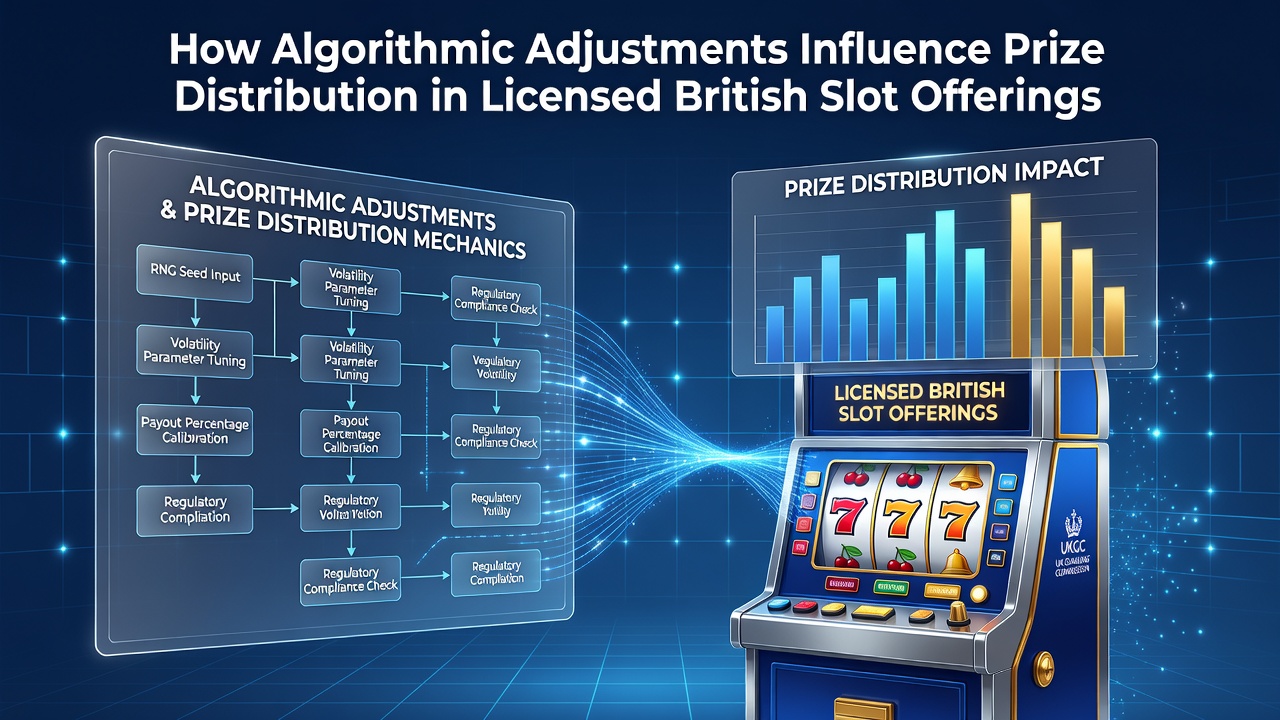
Algorithmic adjustments in licensed British slot offerings operate through precise modifications to random number generators and return-to-player configurations, and these changes directly alter how prizes distribute across player sessions. Operators implement these tweaks under strict oversight from multiple licensing authorities, while data from independent testing labs confirms that even minor parameter shifts produce measurable differences in payout frequency and size.
Core Components of Slot Algorithms
Random number generators form the foundation of every licensed slot, and software providers calibrate these systems to meet specific mathematical models that determine symbol combinations and bonus triggers. Adjustments often involve recalibrating the probability weights assigned to high-value symbols or free spin sequences, and such modifications can shift the overall prize pool allocation without altering the game's certified return-to-player percentage.
Researchers at the University of Nevada Reno have documented how weighted tables influence jackpot hit rates in controlled simulations, and their findings indicate that small changes in these tables lead to longer dry spells between major wins while increasing the frequency of smaller payouts. This pattern appears consistently across multiple machine types tested in laboratory environments.
Regulatory Frameworks Guiding Adjustments
Licensed operators in Britain must submit any algorithmic modification to accredited testing facilities before deployment, and these facilities verify compliance with established standards for fairness and transparency. The process requires documentation of every parameter change, which creates an audit trail that regulators and players can reference when examining prize distribution trends.
Industry reports from the American Gaming Association highlight similar verification procedures used in other jurisdictions, and those reports note that standardized testing protocols help maintain consistent prize outcomes across different software versions. Observers note that operators who follow these protocols experience fewer disputes over payout anomalies.
Impact on Prize Distribution Patterns
When providers adjust the frequency of bonus round activations, the distribution of total prizes across a large sample of spins changes noticeably. Data shows that increasing the trigger rate for free spins typically spreads smaller rewards more evenly among players, whereas reducing those triggers concentrates larger amounts into fewer sessions.
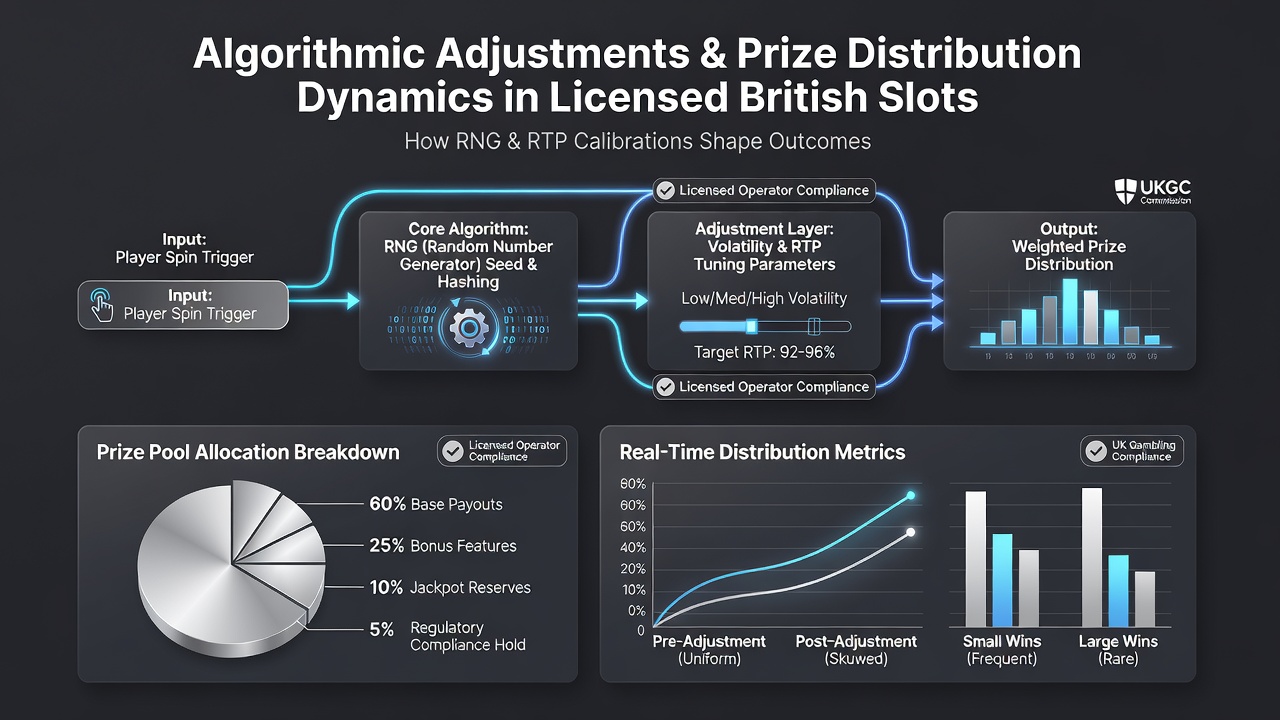
One study revealed that progressive jackpot pools grow at different rates depending on the contribution percentage embedded in the algorithm, and this rate directly affects how quickly top prizes reach payout thresholds. Those who've analyzed thousands of game logs often discover that contribution adjustments produce the most visible effects on long-term distribution curves.
Mobile Platform Considerations
Mobile versions of licensed slots incorporate the same core algorithms as their desktop counterparts, yet hardware differences sometimes prompt providers to fine-tune performance parameters. These tweaks ensure consistent random outcomes across devices while preserving the certified prize distribution model. Testing data from October 2026 sessions across multiple networks confirms that optimized mobile code maintains identical hit rates for bonus features when compared with land-based equivalents.
What's interesting is how network latency and device processing power interact with these algorithms during live play, and engineers address potential variances through server-side validation rather than client-side changes. This approach keeps prize allocation stable regardless of connection quality.
Industry Examples and Testing Outcomes
Take one developer who released an update to a popular five-reel title in early 2026, and that update included a recalibrated bonus wheel that shifted prize weights toward mid-tier rewards. Subsequent analysis of player session data showed a measurable increase in average session length alongside a reduction in the size of the largest individual payouts.
Another case involved an independent studio that modified the scatter symbol frequency in a progressive title, and laboratory reports indicated the change produced a more balanced spread of wins across the player base. People who've reviewed the raw data logs note that such adjustments rarely affect the overall return-to-player figure but do reshape the experience of how that return materializes during play.
Conclusion
Algorithmic adjustments continue to shape prize distribution in licensed British slot offerings through targeted changes to probability tables and bonus mechanics, and ongoing testing by accredited laboratories ensures these modifications remain within regulatory boundaries. Data from multiple sources demonstrates that even subtle parameter updates produce observable shifts in payout patterns, while maintaining the certified fairness standards required for legal operation. As technology evolves, providers and regulators maintain focus on verification processes that protect both the integrity of the games and the transparency of their reward structures.