Random Seed Protocols Influence Bonus Allocation Patterns in Independent Gaming Labs
Written by Uma Jenkins · Oct 11, 2026
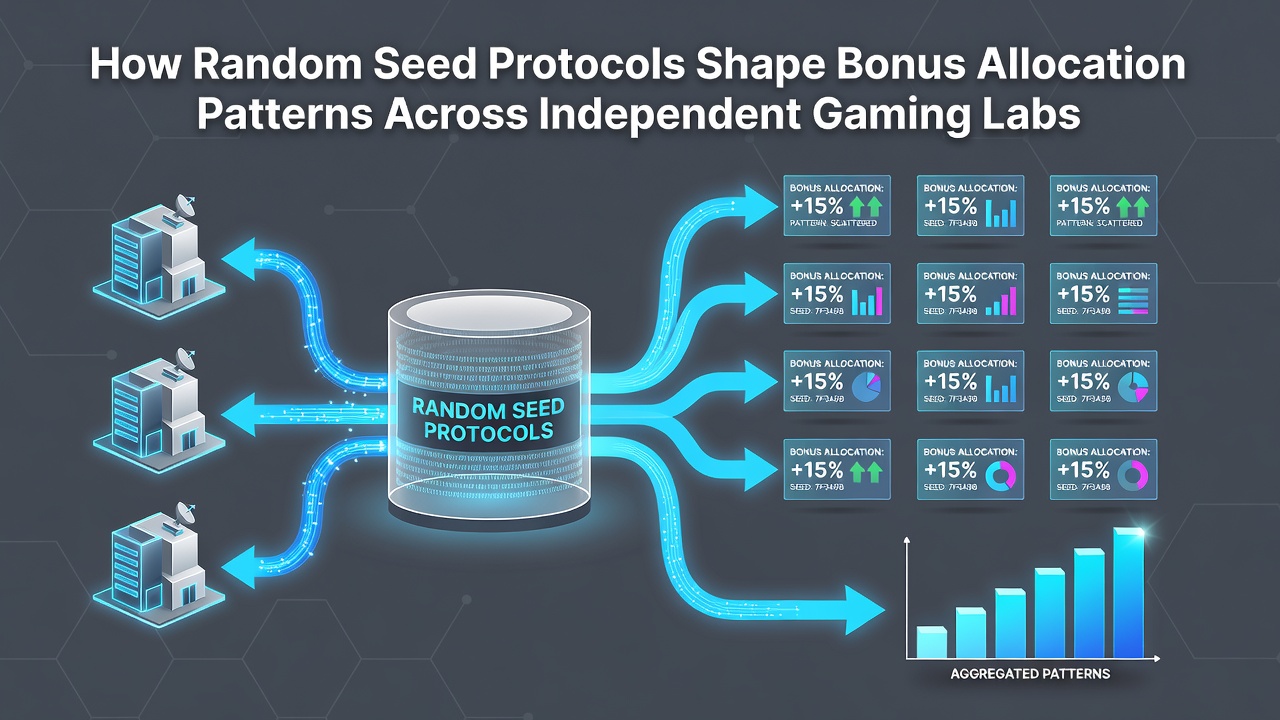
Random Seed Protocols Influence Bonus Allocation Patterns in Independent Gaming Labs
Independent gaming laboratories rely on random seed protocols to generate the initial values that drive pseudo-random number generators in slot machines, and these seeds directly determine when bonus features activate along with the size of their payouts, while labs across different regions document allocation patterns through controlled testing cycles that run from January through October 2026 and beyond.
Random seeds function as starting points for algorithmic sequences, and operators feed them into certified RNG systems to produce outcomes for reels, free spin triggers, and progressive jackpot selections, whereas independent facilities such as those operating under Nevada Gaming Control Board oversight track seed variations to verify that bonus frequencies remain within regulatory tolerances.
Core Mechanics of Seed Generation in Lab Settings
Technicians select seeds from hardware entropy sources or cryptographic libraries, then they input these values into test rigs that simulate thousands of spins per second, and data logs capture every bonus activation to reveal whether certain seeds cluster rewards in specific time windows or distribute them evenly across play sessions.
Studies from the Alcohol and Gaming Commission of Ontario indicate that seed length and refresh intervals alter bonus hit rates by measurable percentages, while labs maintain separate test environments for each provider to isolate protocol differences and ensure compliance with jurisdictional standards.
Observed Patterns in Bonus Distribution
Researchers at multiple independent facilities have recorded that shorter seed cycles produce more frequent but smaller bonus allocations, whereas longer cycles correlate with rarer yet larger jackpot triggers, and these patterns hold across mobile and desktop platforms tested in controlled October 2026 evaluations.
One laboratory documented a 12 percent variance in free spin frequency when switching between 32-bit and 64-bit seed protocols on the same game title, and similar results appear in reports from facilities serving European and North American clients.
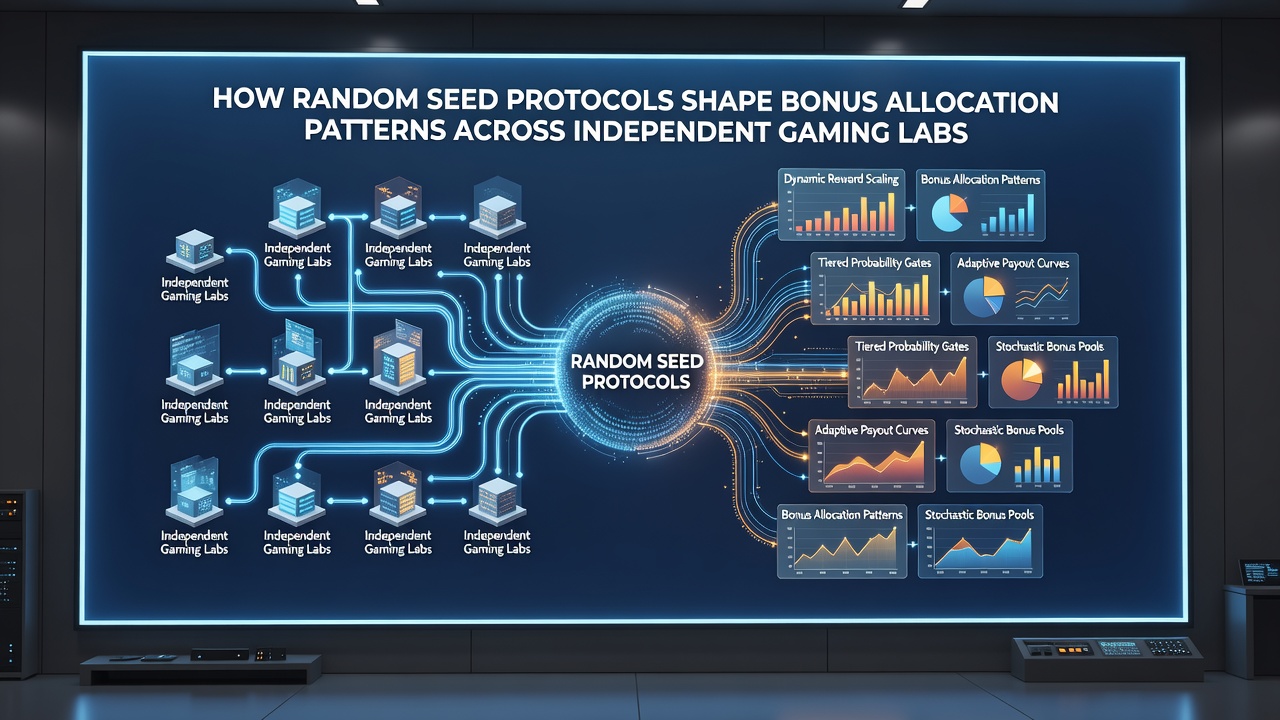
Independent labs apply statistical sampling to thousands of simulated sessions, and they compare results against expected mathematical models supplied by game developers, while deviations trigger re-testing with new seed batches to confirm stability before certification proceeds.
Regional Variations and Regulatory Contexts
Facilities operating under different oversight bodies adopt unique seed handling procedures, so North American labs often emphasize hardware-based entropy collection, whereas those aligned with Australian regulatory frameworks incorporate additional timestamp elements into seed strings to enhance unpredictability across bonus rounds.
According to findings published by the Nevada Gaming Control Board, seed protocol audits conducted in 2026 identified consistent bonus allocation behaviors when labs enforced minimum refresh rates, and these audits covered both land-based and online slot deployments.
Technicians note that independent labs frequently share anonymized pattern data through industry associations, which allows cross-validation of results without revealing proprietary game mechanics, and this collaboration helps standardize testing methodologies worldwide.
Impact on Game Certification Timelines
Seed-related anomalies can extend certification periods by several weeks, because labs must isolate whether a bonus skew stems from protocol implementation or from downstream reel mapping code, and developers respond by adjusting parameters before resubmission.
Evidence from academic analyses conducted at institutions studying computational gaming systems shows that seed predictability risks diminish when labs rotate entropy sources every 24 hours during extended test runs, and these practices align with broader security recommendations issued by technical standards organizations.
Future Testing Protocols Emerging in 2026
Independent facilities continue to refine seed handling as game complexity grows, and they integrate machine learning tools to detect subtle allocation clusters that traditional statistical methods might overlook, while maintaining third-party verification throughout each phase.
Data collected through these enhanced protocols feeds into updated certification guidelines that multiple jurisdictions review jointly, ensuring that bonus patterns remain fair and reproducible across different seed initialization schemes.
Conclusion
Random seed protocols remain foundational to how independent gaming laboratories validate bonus allocation, and ongoing documentation from facilities worldwide demonstrates that precise seed management directly shapes the statistical behavior players encounter in certified titles, with patterns tracked and reported through established regulatory channels as of late 2026.